
President Donald Trump has responded to growing scrutiny over his financial gains while serving in office, arguing that his substantial increase in wealth was not the result of personal intervention but rather the performance of investments managed independently by financial institutions.
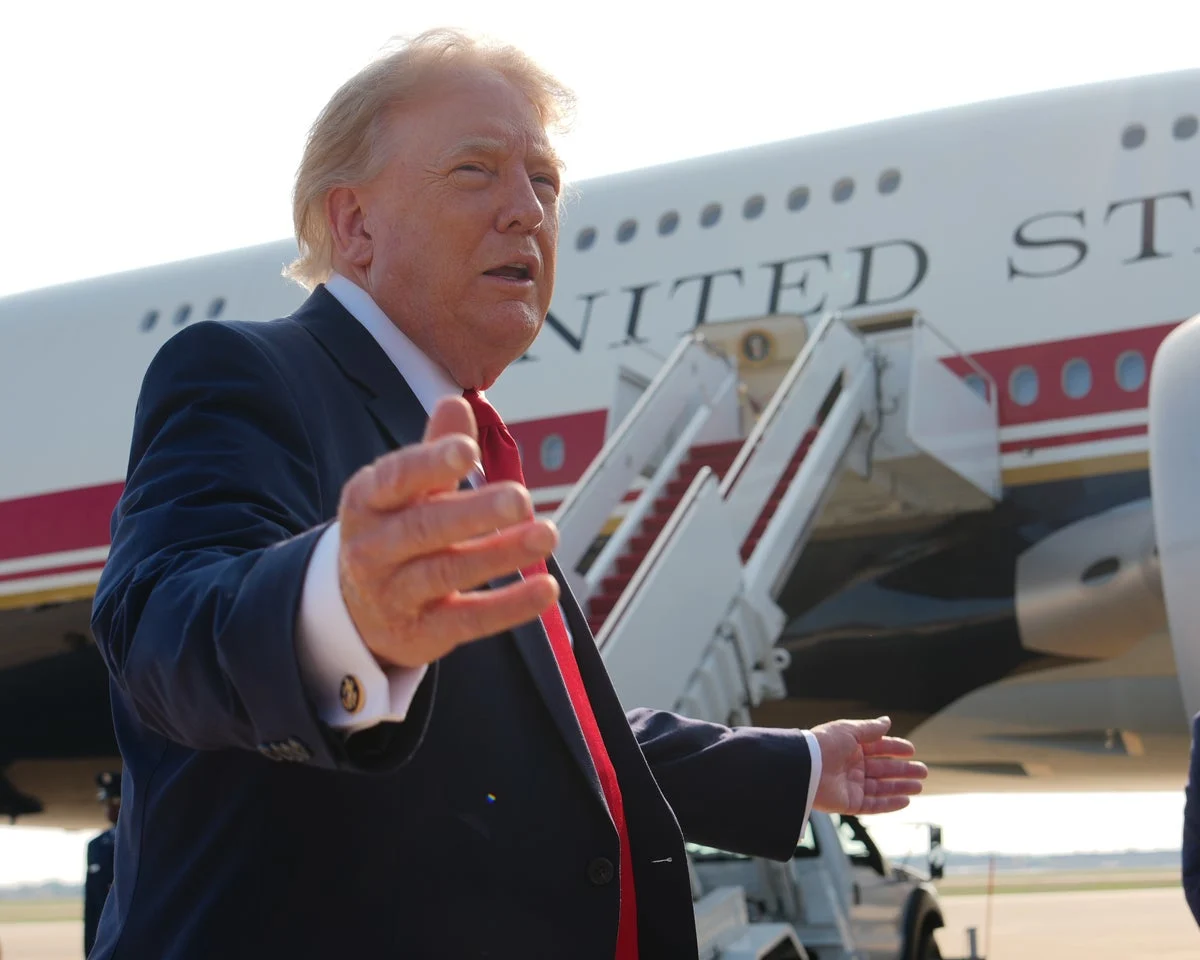
Speaking to reporters before departing for North Dakota aboard the newly introduced Air Force One aircraft, Trump stated that he has remained largely detached from the management of his personal fortune. According to the president, professional financial advisers oversee his investments, and he deliberately avoids discussing investment decisions with them.
"I've made significant money long before becoming president," Trump told reporters. "The institutions managing my assets make their own decisions, and I do not communicate with them regarding those investments."
Trump described the arrangement as similar to a "blind account" structure, explaining that he intentionally distances himself from the day-to-day management of his financial holdings. He also argued that his financial gains reflect broader market trends rather than any specific actions taken by him personally.
"The stock market has performed well, and many Americans with investments have benefited," Trump said. "I'm profiting because I have assets invested through professional institutions, just like many other investors."
However, recent financial disclosure documents filed with the U.S. Office of Government Ethics have drawn renewed attention to the scale and sources of the president's wealth growth during his current term.
According to publicly available disclosures, Trump reported earning more than $1 billion from various business ventures, with cryptocurrency-related enterprises representing a substantial portion of those gains. Financial records indicate that one cryptocurrency venture associated with Trump generated more than $500 million in earnings, while another business linked to Trump-branded digital assets reportedly produced over $600 million in revenue.
The disclosures have intensified debate among ethics experts and political observers regarding the relationship between presidential decision-making and personal financial interests. Critics have pointed out that, unlike several previous presidents who placed assets into fully independent blind trusts, Trump's business holdings have continued to be managed through structures involving members of his family.
Questions have also emerged regarding the administration's approach toward the cryptocurrency industry. During his current presidency, Trump has adopted a more favorable position toward digital assets compared with previous administrations, supporting policies designed to encourage growth within the cryptocurrency sector.
The White House has rejected suggestions that the president's policy decisions have been influenced by personal financial considerations. Administration officials have repeatedly stated that President Trump's actions are based solely on what they describe as the interests of the American public.
White House representatives have maintained that the president operates within all applicable legal and ethical requirements and have denied allegations of any conflict of interest.
The issue continues to generate discussion among lawmakers, financial analysts, and ethics experts as cryptocurrency increasingly becomes a significant force in both the American economy and political landscape. With digital assets playing a larger role in global finance, the intersection between public office and private investment remains a subject of intense public attention.