
The U.S. Senate has rejected a renewed effort to limit President Donald Trump’s authority over military actions involving Iran, marking another chapter in the ongoing debate between Congress and the White House over war powers and foreign policy.
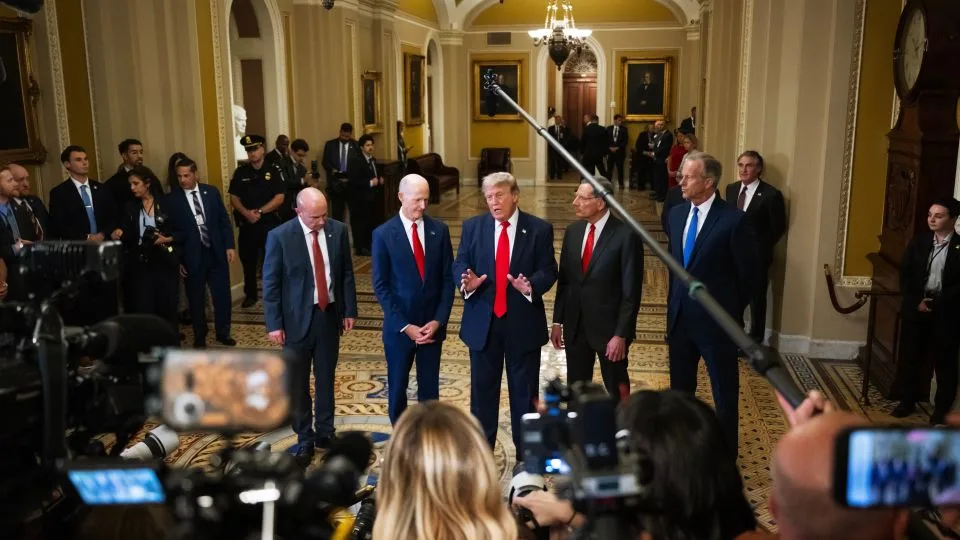
The vote came just one day after lawmakers approved a separate resolution that sought to reduce U.S. military involvement in the conflict. However, a follow-up measure failed to gain enough support, signaling a shift in momentum among Senate Republicans after direct discussions with the Trump administration.
The final vote ended 50-47, with one senator voting present. Several Republican lawmakers who had previously supported efforts to restrict presidential military authority changed their positions during the latest vote.
President Trump welcomed the outcome, arguing that maintaining flexibility is important while negotiations with Iran continue. In a statement posted on Truth Social, he praised the result and suggested that the vote strengthened the U.S. position in ongoing diplomatic efforts.
One of the most closely watched developments involved Senator Rand Paul of Kentucky, who chose to vote present rather than support the measure. Paul explained that while his views on congressional oversight of military action remain unchanged, he wanted to give the administration additional room to pursue diplomatic negotiations and work toward a long-term peace agreement.
Senator Bill Cassidy of Louisiana also changed his position after receiving detailed briefings from senior administration officials, including Vice President JD Vance and Special Envoy Steve Witkoff. Cassidy said the discussions addressed many of the concerns he had previously raised regarding the administration’s strategy toward Iran.
The debate reflects broader tensions in Washington over who should have the authority to authorize military action. While presidents traditionally have significant powers as commander-in-chief, many lawmakers argue that Congress must play a larger role when the United States becomes involved in overseas conflicts.
Democratic senators supporting the resolution said congressional approval remains essential, even as signs of reduced tensions emerge. They argued that any future military escalation involving Iran should require direct involvement from Congress before major decisions are made.
Supporters of President Trump countered that limiting executive authority during sensitive diplomatic negotiations could weaken the United States' leverage and complicate efforts to reach a lasting agreement.
The latest vote follows months of political disagreement over U.S. policy toward Iran and represents the eleventh Senate vote related to Iran war powers this year. The issue is expected to remain a major topic in Washington as lawmakers continue debating the balance between national security, diplomacy, and congressional oversight.
With negotiations still ongoing and regional tensions remaining a concern, the relationship between Congress and the White House over foreign policy decisions is likely to face further scrutiny in the months ahead.