
The recent renovation of the historic Lincoln Memorial Reflecting Pool in Washington, D.C., has come under increasing scrutiny after reports revealed that a company involved in the pool's previous major restoration declined to participate in the latest project, reportedly considering the proposed timeline and design requirements impractical.
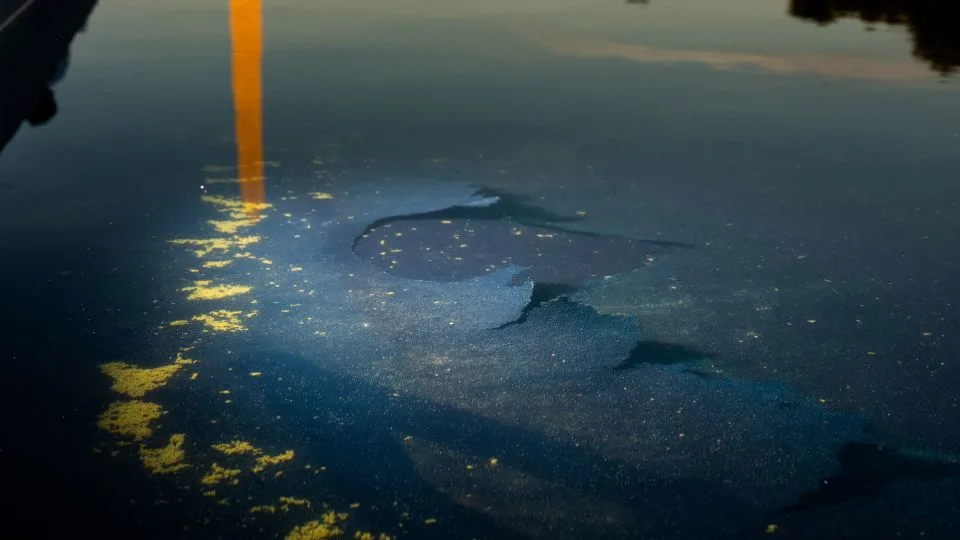
The renovation effort, launched as part of preparations for the United States' upcoming 250th anniversary celebrations, aimed to restore one of America's most recognizable landmarks. However, just weeks after completion, portions of the newly applied blue coating have reportedly begun peeling, while algae growth has returned to sections of the pool.
According to individuals familiar with the matter, New Jersey-based construction materials company Sika Corporation, which contributed products during the Reflecting Pool's extensive renovation completed in 2012, was approached earlier this year regarding the new restoration project. The company ultimately decided not to participate after evaluating the project's requirements.
Sources familiar with the discussions stated that two major factors influenced the decision: the requirement to complete the work before July 4 celebrations and the request to apply a blue-colored surface coating to the pool's floor. According to those sources, the combination of technical challenges and the accelerated schedule raised concerns about the project's feasibility.
Instead, officials selected Virginia-based Atlantic Industrial Coatings, which utilized products supplied by Rhino Linings, a company best known for manufacturing protective truck bed coatings but also involved in industrial waterproofing and infrastructure applications.
Costs Increase Significantly
The renovation project has also drawn attention because of its rising costs. Initial estimates reportedly placed the project's budget at approximately $1.8 million, but government contract records now indicate that costs have increased to nearly $14.7 million.
Critics have questioned whether the accelerated timeline contributed to technical problems that became visible shortly after the project was completed. The issues have prompted public debate and congressional interest regarding how the renovation was planned and executed.
Representative Robert Garcia, the leading Democrat on the House Oversight Committee, has requested documentation related to the project, including contracts and water quality reports, as lawmakers seek additional information about the renovation process.
Debate Over What Caused the Problems
Multiple theories have emerged regarding the cause of the peeling surface coating and continued algae growth.
President Donald Trump has publicly suggested that vandalism may have contributed to the damage, citing reports of individuals entering restricted areas around the Reflecting Pool. Federal court filings related to ongoing litigation involving the project stated that sections of sealant appeared to have been intentionally cut, while some fence components were reportedly thrown into the water.
At the same time, some engineers and industry observers have questioned whether heavy equipment traffic near or on portions of the renovated surface may have contributed to the damage. Experts note that newly installed coatings can be vulnerable during the curing process and that additional investigation would be necessary to determine the exact cause.
Pool infrastructure specialist Tim Auerhahn stated that while vehicle traffic remains one possible factor, it would be premature to draw conclusions without a comprehensive engineering analysis.
Technical Challenges of the Reflecting Pool
The Lincoln Memorial Reflecting Pool presents unique engineering challenges due to its size and construction design. The structure contains approximately 2.5 miles of expansion joints, which allow the concrete surface to expand and contract as temperatures change throughout the year.
Sources familiar with Sika's assessment said the company had concerns about applying rigid materials over these moving joints. One proposed solution involved covering certain areas with metal components before applying the blue surface coating, though engineers reportedly warned this approach could create visible inconsistencies over time.
Experts reviewing publicly available information have noted that selecting materials for large historic water features requires balancing waterproofing performance, flexibility, durability, and resistance to sunlight exposure.
Questions About Material Selection
The coating products ultimately used in the renovation included an epoxy-based primer and a polyurea protective coating. While such materials have been successfully used in industrial applications, including water storage facilities and pipelines, some specialists have questioned their suitability for a large outdoor historic reflecting pool exposed to constant sunlight and environmental changes.
Industry experts have emphasized that polyurea coatings have not been widely tested in major historic reflecting pools or large decorative water basins, raising questions about their long-term performance in this specific environment.
Rhino Linings acknowledged reports of localized coating separation and stated that, based on information available to the company, the issue appears limited to certain surface areas and does not affect the underlying waterproofing system. The company said corrective actions have already been identified.
Further Repairs Planned
Despite ongoing criticism and public attention, President Trump has stated that the Reflecting Pool will undergo additional repairs around the Fourth of July holiday period in an effort to implement a more permanent solution.
As investigations continue and officials seek additional information, the renovation of one of America's most iconic landmarks has become the focus of broader discussions about government contracting, infrastructure planning, and the challenges involved in restoring historic public spaces.